
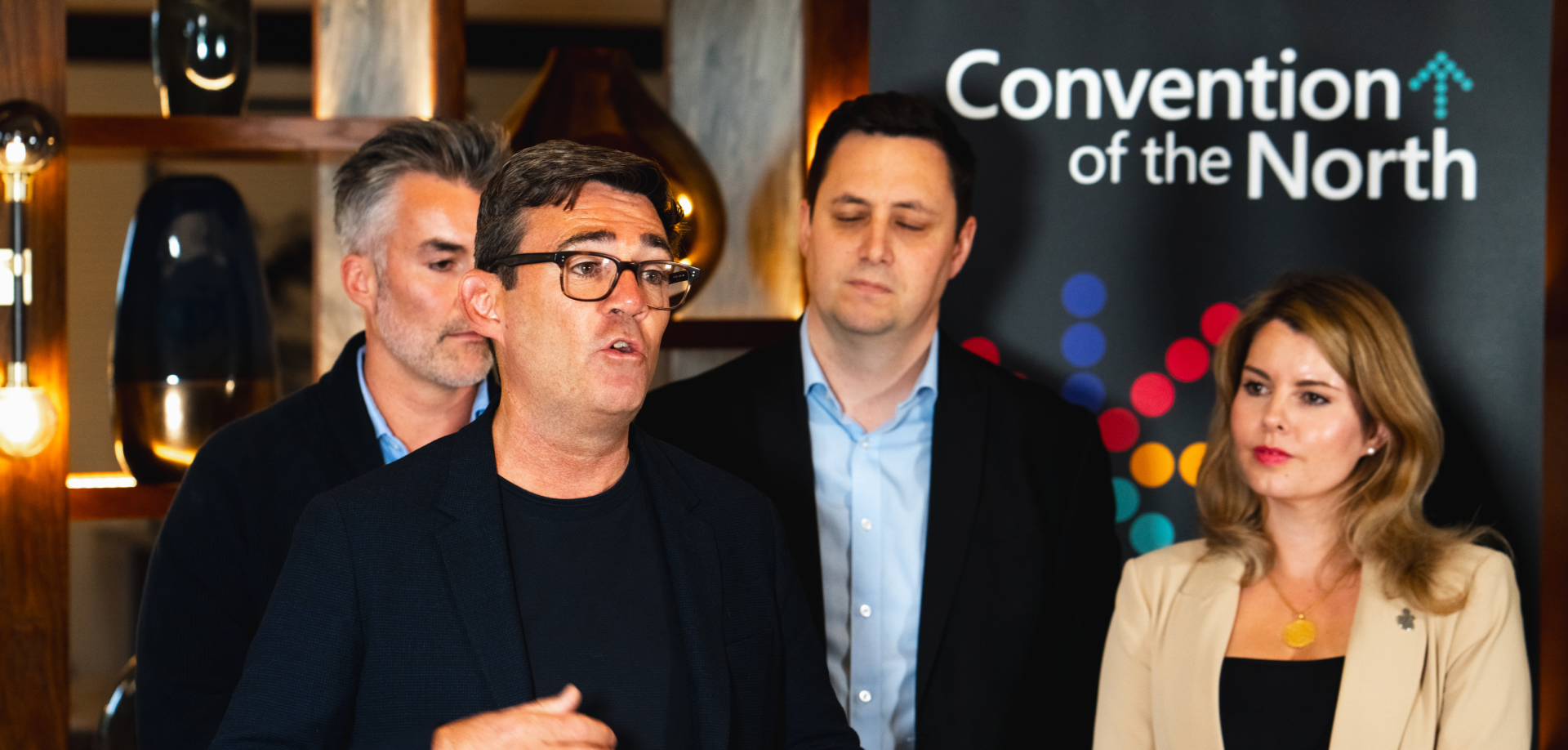

Burnham’s core philosophy is about bringing power closer to the people, and few parts of the country stand to benefit more than the North.
For decades, regional leaders have argued that the economic potential of places outside London and the South East has been constrained, not by a lack of ambition, but by a lack of autonomy to deliver on local priorities.
Successive governments have championed agendas centred on levelling up, regional development and economic rebalancing, yet many communities continue to face entrenched challenges in housing delivery, transport connectivity and attracting long-term private investment. This is especially true in the North.
Now, only weeks into the Burnham premiership, his so-called “Manchesterism” appears to be evolving from a distinctly regional governing philosophy into a potential framework for national reform.
At its core, Burnham’s emerging economic model rejects the notion that economic growth should be directed from Westminster. Instead, it argues that prosperity is most effectively driven when communities and city regions are entrusted with greater control over their own economic destiny.
Rather than revisiting older debates about regional governance, the more immediate question is whether England is entering a new era of “devolution by default”, as proposed in Gordon Brown’s report on A New Britain: Renewing our democracy and rebuilding our economy in 2022 and increasingly reflected in government policy.
Andy Burnham’s vision goes beyond securing new powers for mayors; it seeks to reverse the presumption that decision-making should sit in Whitehall. His recent call for central government departments to justify why powers and funding should not be devolved marks a significant shift in thinking.
For city regions across the North, such a shift could represent the most significant transformation in housing, regeneration and economic development policy for a generation. By moving decision-making and investment closer to the places they affect, it would give local leaders greater freedom to shape growth around regional priorities and opportunities. In many respects, this is what the Northern Powerhouse was always intended to achieve: a rebalancing of power and prosperity away from Whitehall and towards the North’s major urban centres.
More than a decade after George Osborne first articulated that vision, the challenge now is to turn ambition into delivery, moving from headline-grabbing rhetoric to sustained action and meaningful local control.
The Great North: England’s devolution heartland
The North was the first region in England to achieve 100% devolution coverage, following the 2025 announcement that Cheshire and Warrington, Cumbria and Lancashire would all move forward with mayoral or county devolution deals. It is also home to some of the country’s most prominent mayors, with Tracy Brabin in West Yorkshire, Steve Rotheram in the Liverpool City Region, Oliver Coppard in South Yorkshire, Ben Houchen in the Tees Valley, Kim McGuinness in the North East, David Skaith in York and North Yorkshire, and Luke Campbell in Hull and East Yorkshire, all playing an increasingly influential role in shaping national policy debates.
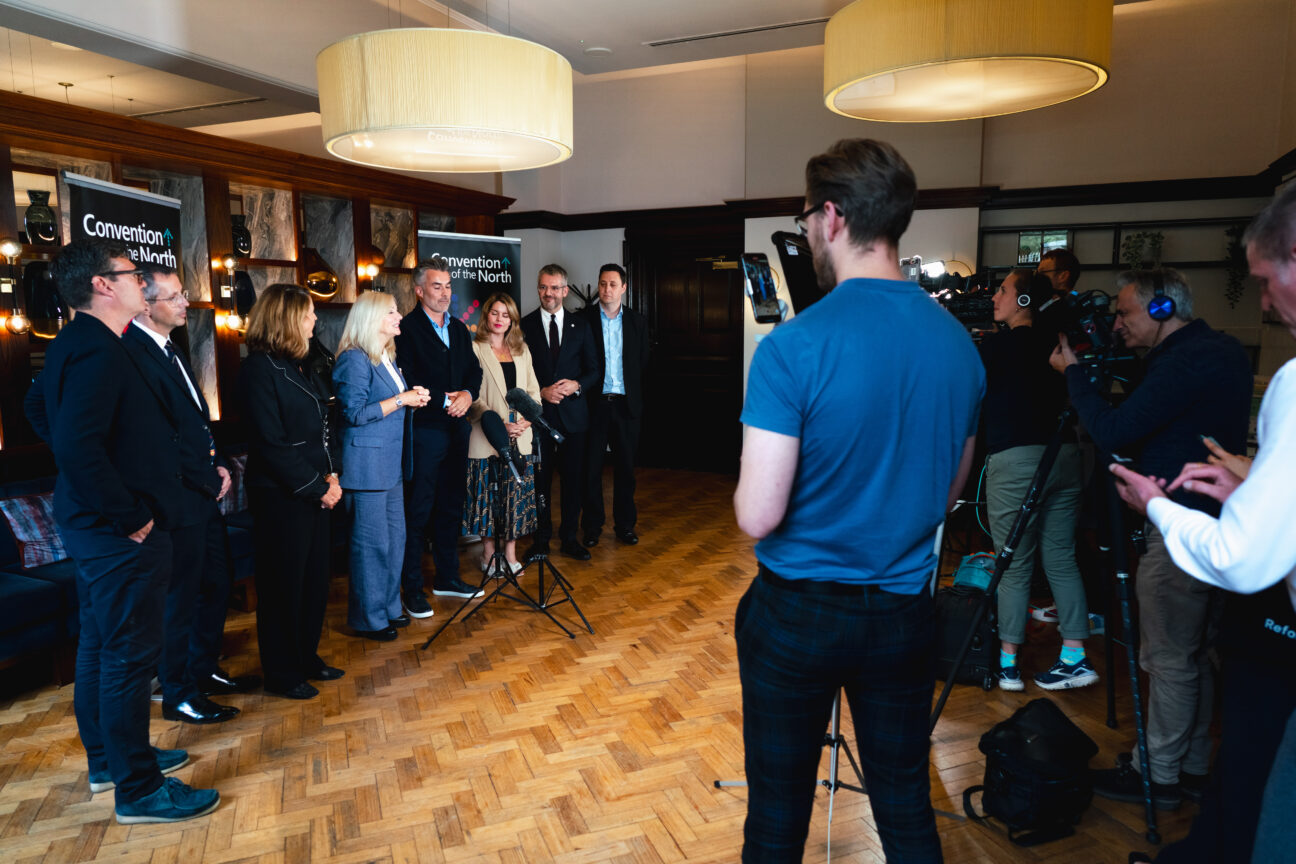
Alongside this growing mayoral influence, Northern leaders have developed a stronger collective voice through initiatives such as the Convention of the North and The Great North. These forums have become important vehicles for sustained collaboration and advocacy, enabling mayors, council leaders, businesses and civic institutions to make the case for investment in the North’s economic strengths – from clean energy and advanced manufacturing to transport, life sciences and innovation.
As devolution matures, this collective approach is becoming increasingly important. The challenge is no longer simply securing powers from Westminster but demonstrating how devolved institutions can work together to deliver nationally significant growth and investment opportunities. In doing so, Northern leaders are helping to position the region’s economic assets as a national priority rather than a regional concern alone.
This latest wave of reforms by Burnham suggests mayors are about to become much more than advocates for their regions. Under the new government’s plans, strategic authorities are expected to gain greater control over locally generated tax revenues alongside increased retention of business rates. The principle is straightforward: when local economies grow, more of the benefits should remain within the communities that created that growth.
Alongside enhanced fiscal powers, mayors are expected to receive wider responsibilities over housing, transport, skills, employment support and aspects of public service delivery. Increasingly, Whitehall departments will be required to justify why powers should remain centrally controlled rather than devolved.
As well as providing long-term certainty of funding to support individual regional priorities, the reforms could also unlock significant new borrowing capacity. Predictable, locally retained revenue streams would provide mayoral authorities with the long-term financial certainty needed to support major investment over decades, rather than operating within the constraints of short-term Westminster funding settlements.
In practice, this could help bring forward transformational projects that have repeatedly stalled under the current system, such as West Yorkshire’s proposed mass transit network, the redevelopment of Manchester Piccadilly through a new underground station to unlock Northern Powerhouse Rail ambitions, or the Mersey Tidal Power project spanning the Liverpool City Region and Cheshire and Warrington.
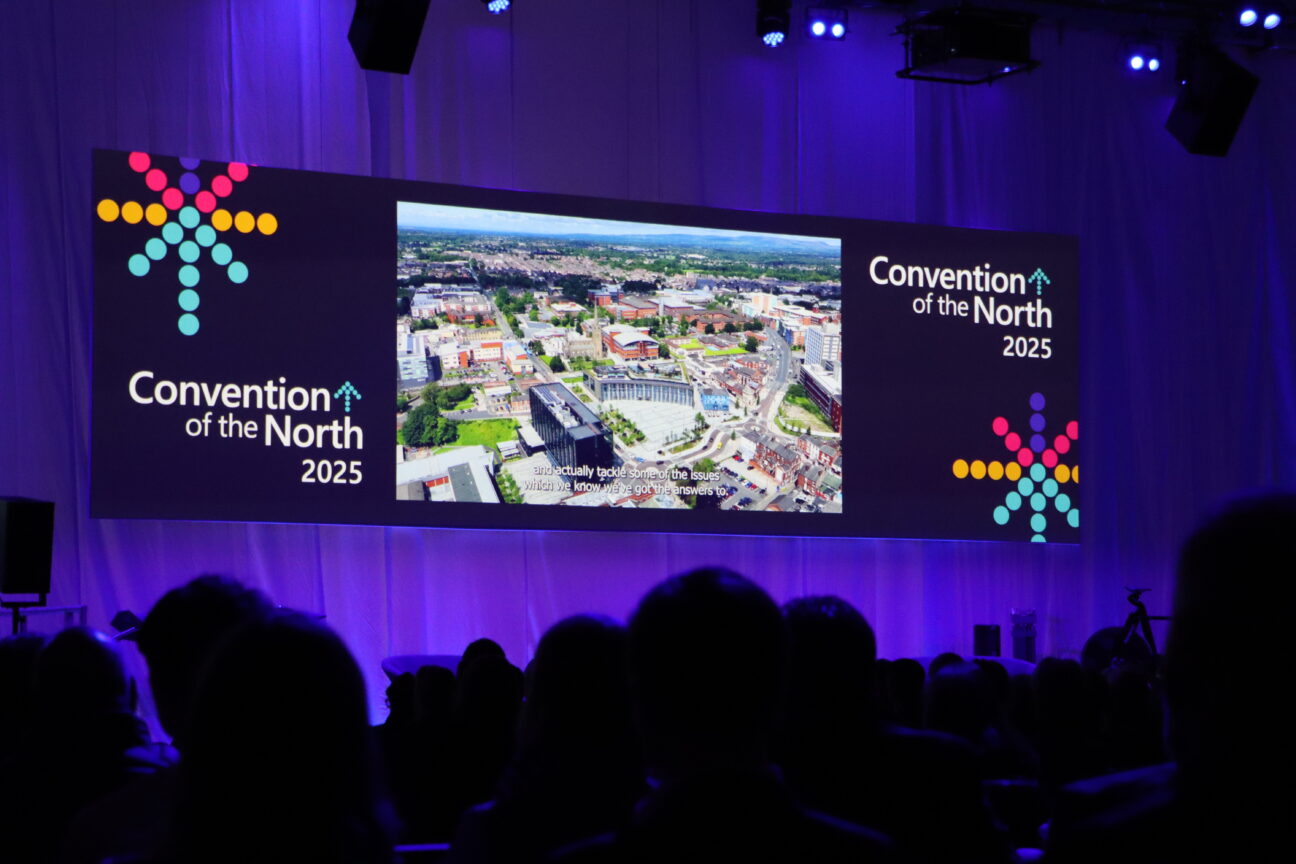
Looking further ahead, there is also the question of whether mayors could pool a share of their devolved revenues to back projects that transcend individual boundaries, such as a high-speed Northern Powerhouse Rail line across the Pennines to large-scale clean energy, housing and regeneration schemes that have previously missed out on Treasury funding. If so, greater fiscal autonomy could provide a route to funding the kind of pan-regional infrastructure the North has long argued for, turning ambitious proposals into deliverable projects and strengthening the region’s collective economic future.
The proposals have been widely welcomed by Northern mayors, who see them as a significant step towards genuine fiscal devolution. South Yorkshire Mayor Oliver Coppard argued that they would help free local leaders from the Treasury’s “death grip”, while York and North Yorkshire Mayor David Skaith said they would put “more power and control out of London and into the hands of people who know their area the best”. West Yorkshire Mayor Tracy Brabin similarly welcomed the reforms, arguing that people would be able to “see and feel the real benefit of their hard work and where that money is going”.
Housing as economic infrastructure, in practice.
Burnham has described these proposals as more than another stage of devolution. Instead, he sees them as part of a wider effort to “rewire” the British state, replacing a system where local leaders repeatedly competed for central funding with one where places have genuine authority over their economic futures.
As explored in a previous blog, this could give mayors greater powers and flexibility to accelerate housing delivery in their areas, helping to contribute towards the Government’s target of 1.5 million new homes, a commitment that the Housing Secretary Angela Rayner has repeatedly reaffirmed.
Beyond simply increasing housing supply, this approach recognises the wider economic benefits that new homes can unlock, from supporting labour market participation and attracting investment to strengthening communities and driving long-term growth.
This thinking is already reflected in some of the North’s most ambitious regeneration programmes. Projects such as York Central demonstrate how housing can act as the catalyst for wider economic development, combining new homes with employment space, infrastructure investment and public realm improvements. Similar ambitions can be seen in schemes such as Warrington Bank Quay, which seeks to transform a strategically important gateway site, and efforts to revitalise Crewe town centre, where regeneration remains a priority despite the setbacks caused by the cancellation of HS2.
Under Burnham’s vision, these types of integrated regeneration projects could become a stronger feature of national housing and growth policy.
A defining moment, but let’s see how it plays out.
For years, the North has been told that growth would come when Westminster was ready to deliver it. However, Andy Burnham wants to turn that assumption on its head.
The government’s devolution programme, combined with its commitment to “devolving by default”, points towards a future where housing, regeneration, transport and economic development are increasingly shaped by those closest to the challenges and opportunities. This is a structural shift in where influence sits, where investment decisions are made and how places compete for growth.
If Burnham’s vision succeeds, the next decade will not be defined by Westminster directing regional development from afar. It will be defined by cities and regions having the power to write their own futures.
And for the North, that could be the most significant regeneration story of a generation. But for a region accustomed to disappointment, the proof will be in the delivery.
Written by Sami Garratt, Account Manager
Further reading:
Convention of the North 2025 – Five key takeaways
Local Elections 2025 – What just happened?!
Deputy Prime Minister speech at Convention of the North – GOV.UK
Northern leaders announce new partnership of the North > York and North Yorkshire Combined Authority
Northern leaders announce new partnership of the North | Lancashire County Council News
Northern leaders launch ‘manifesto of the North’ – YouTube
Angela Rayner delivers speech at Convention of the North – YouTube