
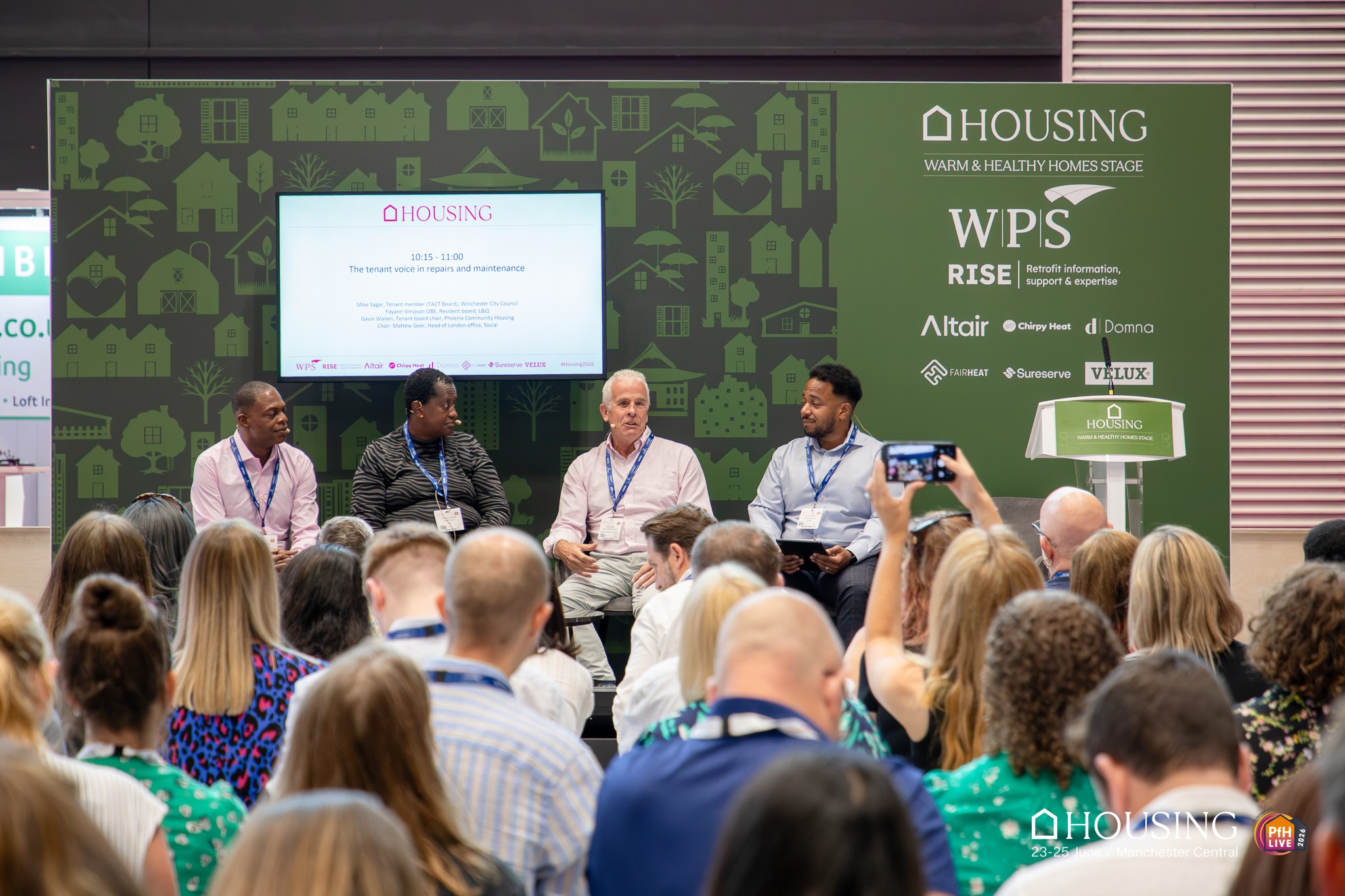

Last week, several members of the Social team attended the Housing 2026 conference at Manchester Central, which brought together key figures from across the housing and wider living space to discuss and shape the future of the sector and the policies that underpin it.
As well as catching up with and supporting clients, we attended many of the thought-provoking talks and sessions that took place across the three days.
A recurring theme emerged: If we’re serious about resident influence, we need to rethink not just how we engage — but how we listen, communicate, and act on insight.
This will be all the more important as we prepare for another new Prime Minister with new plans for housing, as seemingly previewed by Andy Burnham on Monday in Manchester. Working with social housing residents instead of doing things to them is the way forward if his plans are going to make a real difference to people’s lives.
Here are our top reflections:
1. Engagement starts with redefining the “table”
As Nic Bliss from Stop Social Housing Stigma challenged — residents shouldn’t just be invited to the “table”; they should help define what meaningful engagement looks like. The sector needs co-creation, not consultation. They need to be partners in shaping the solutions that affect their lives, not just recipients.
2. Insight without trust is just noise
Research shared on the TPAS stage from the Ethnic Minorities in Tenant Engagement report highlighted deep-rooted mistrust among some ethnic minority communities. Without trust, even the best engagement strategies won’t land — insight must be built on honesty and relationships. Trust comes from these, not from over-promising and under-delivering.
3. Inclusive engagement requires different approaches — not more of the same
“If you do the same, you get the same.” Blending digital and traditional engagement (as demonstrated by Tuntum Housing Association) is essential to reach wider, more diverse audiences and improve satisfaction. Offering multiple engagement channels and ensuring no-one is digitally excluded is crucial, as is communicating in a clear, accessible and inclusive manner.
4. Data and stories must go hand in hand
Tenant Satisfaction Measures and engagement metrics matter — but they need to be grounded in real lived experience to inform meaningful action. This is where frontline staff play a key role through their relationships with residents and their empathy for them. Critical to this is sensitive, timely and well segmented internal communications.
5. Communication is a frontline service
From repairs to retrofit and decarbonisation, success depends on clear, timely, and human communication. These programmes happen in people’s homes and communities, not on spreadsheets and these needs to be treated as homes, not ‘units’ or ‘assets’.
6. Safe spaces unlock better feedback
Creating environments where residents feel comfortable sharing their experiences leads to richer, more actionable insight and ultimately better services.
7. Lived experience strengthens decision-making
Having residents involved at board level improves governance, but responsibility for understanding resident experience must be shared across the whole organisation.
8. Listen earlier, listen better — especially to unheard voices
The Blunt Truth project showed the power of engaging young people and communities directly — generating thousands of conversations and real-world impact for children and young people at risk of knife crime. Listening differently changes outcomes that make a difference in the long term.
9. The sector must challenge itself before expecting change
Tackling misconceptions, bias, and organisational culture is critical. Better engagement starts from within through a culture of continuous improvement and by encouraging regular knowledge sharing and best practice.
10. AI can transform engagement — but only if trust comes first
There’s huge potential in using AI to analyse resident feedback at scale and uncover deeper insight. But moving too quickly risks undermining trust. Ethical, transparent use is key. Any use of AI needs to include human validation, resident consent and all tools used must align to organisational values. Focusing on what matters is always more important than chasing the latest shiny tech.
Successful tenant engagement is collaborative, inclusive, and values-led, combining human insight with smart use of technology to improve real tenant outcomes. At its best, engagement doesn’t just inform services, it reshapes them and the appetite for this kind of transformation was clear to see at Housing 2026.
Written by Matt Geer, Head of London Office