
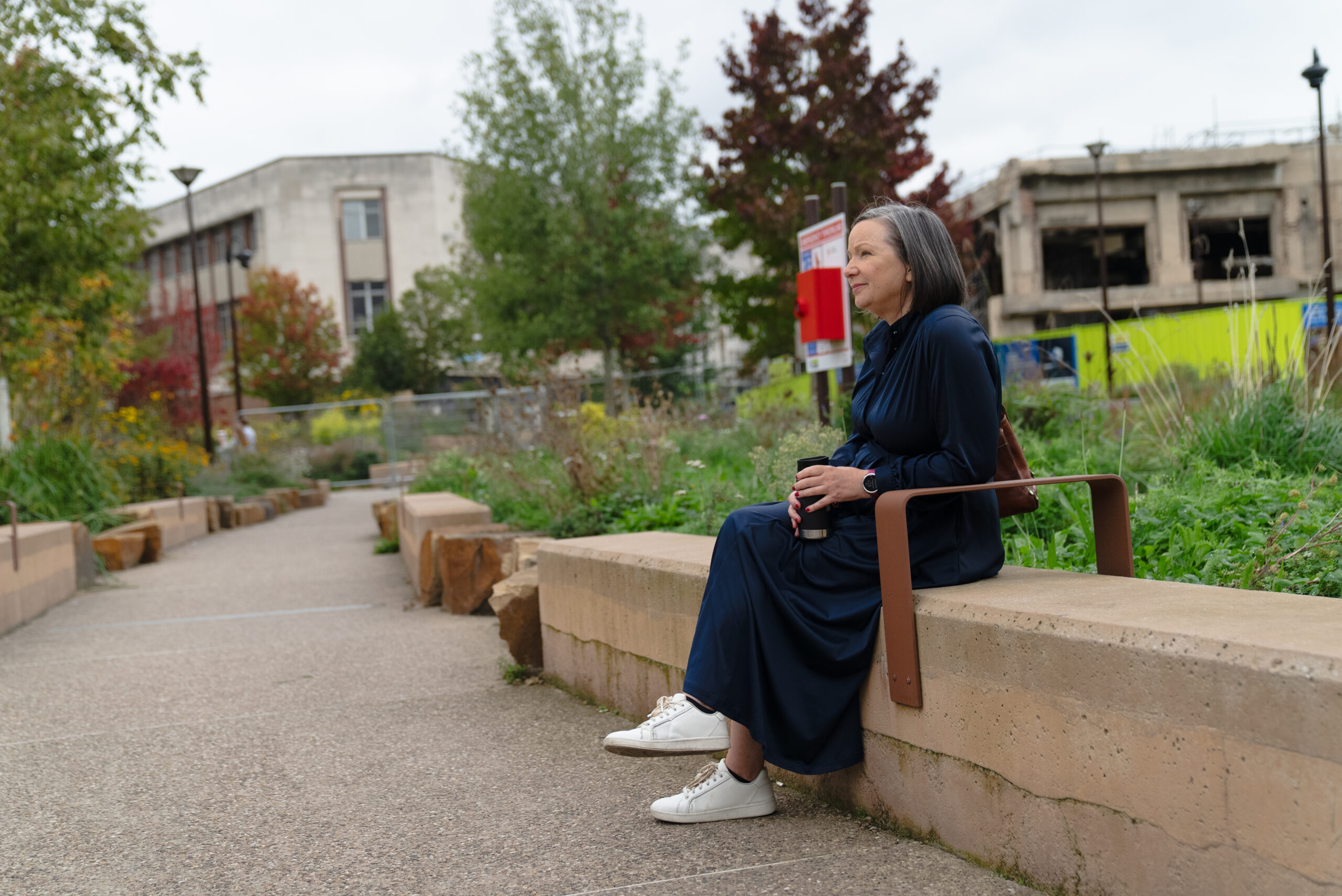

At 8:30am, cities across the UK start to fill with commuters, students, working professionals, tourists. People who, alongside local residents, shape the city centre for the next ten hours.
Let’s call it the 9-5 economy. Not necessarily stakeholders, more like an active daytime community of tap-and-goers. Their arrival influences business opening hours and the vibe of public spaces. They support hospitality and promote culture. They speed up the rate of change in our cities by helping to make regeneration commercially viable.
Unsurprisingly however, and as Beth Sanders points out in her blog ‘8 Ways I Engage in City Life’, those most willing to help shape regeneration are often local residents:
“What happens in my neighbourhood catches my attention more than in another neighbourhood. It’s not that it’s not important; it’s not relevant to my experience”.
This leads to an important challenge: how do we effectively engage the 9-5 economy in city centre regeneration projects, if they don’t call it home?
Can we create a more powerful engagement process by combining their daily experiences with Beth’s perspective as a resident?
Liverpool and Paddington South
Liverpool is a great example. Social is proud to be playing an active role in the city, which has undergone major transformation over the past 10 years – driven by regeneration across its waterfront, university campuses and innovation districts. Liverpool currently attracts approximately 80 million tourists annually and is home to over 70,000 students.
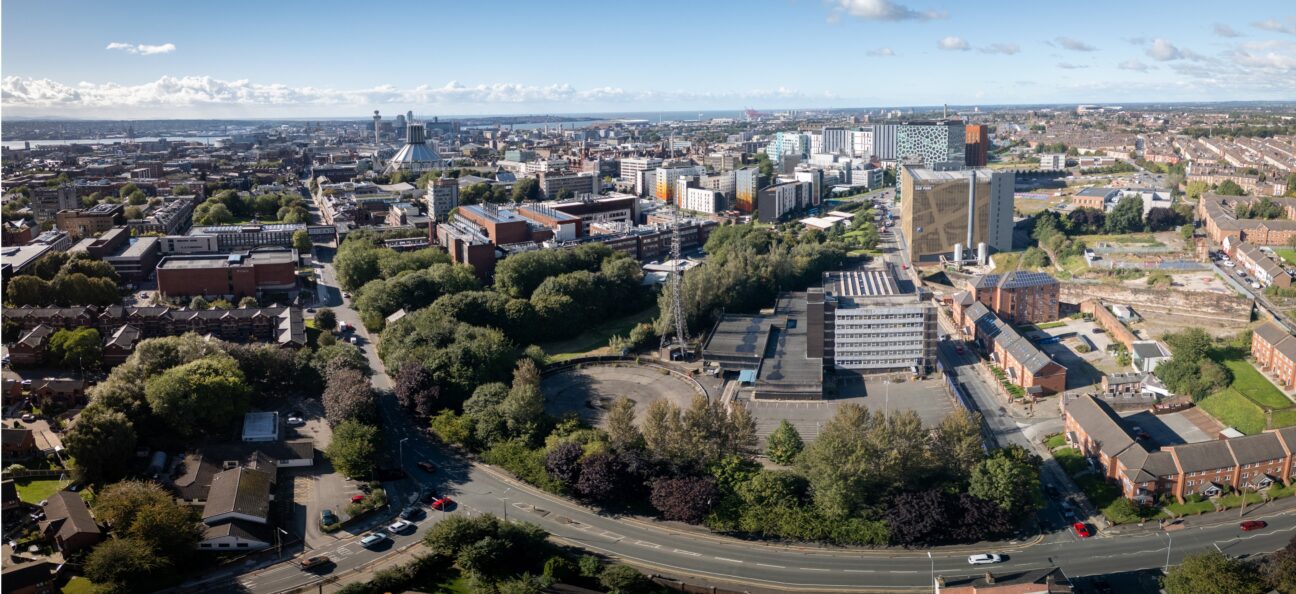
At Social, I recently led the public consultation for the next phase of a £1bn flagship scheme, Paddington Village. We worked in partnership with Liverpool City Council and the University of Liverpool, who are bringing forward world-class science and research facilities at the site, which sits at the heart of an already bustling community of working professionals and students. It’s also located on the edge of the city centre and will become a gateway for many residential communities nearby.
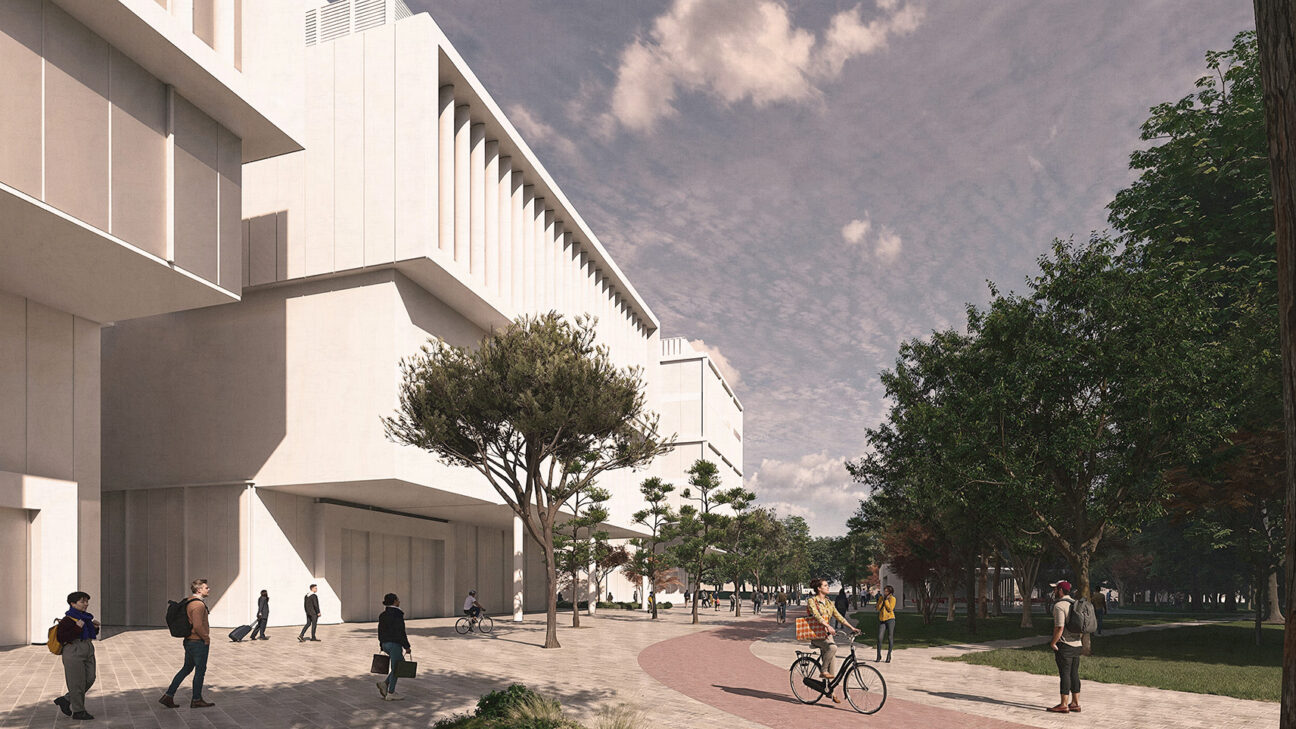
We designed our engagement activity to bring these groups together. It reflects the masterplans vision, which will connect Paddington Village and the current University campus to well-established residential areas, and deliver improved public spaces.

To get both residents and the 9-5 economy involved, we focused on three engagement areas:
- Early engagement – get to know daily patterns
“You could promote the consultation at Tesco, or everyday locations?”
Before the consultation took place, we spoke to a range of stakeholders and local groups with an existing interest or knowledge of the site.
This approach built our understanding of who else we should engage and importantly, how and where we should speak to them. For example, the local MP rightly asked if we would consider promoting the consultation at everyday locations, like the nearby Tesco superstore.
These conversations helped us identify daily patterns and local challenges that residents and the 9-5 economy may be facing. Whether its businesses affected by footfall or cyclists avoiding certain routes, we were able to target those groups directly to encourage participation.
- In-person engagement – meet people where they are
“The children had lots of ideas about their local area.”
We held two drop-in events which ran into the evening, making it easy for both residents to attend and for a 9-5 economy to join on their lunch break or commute home. Both were held in familiar venues near the site, making participation feel easy for over 100 attendees.
The first event was held at the University’s Student Union on St Patrick’s Day to capture voices from the next generation of innovators. The second took place at the Spine Building, completed as part of an earlier phase of work, bringing together stakeholders and the community in one space.
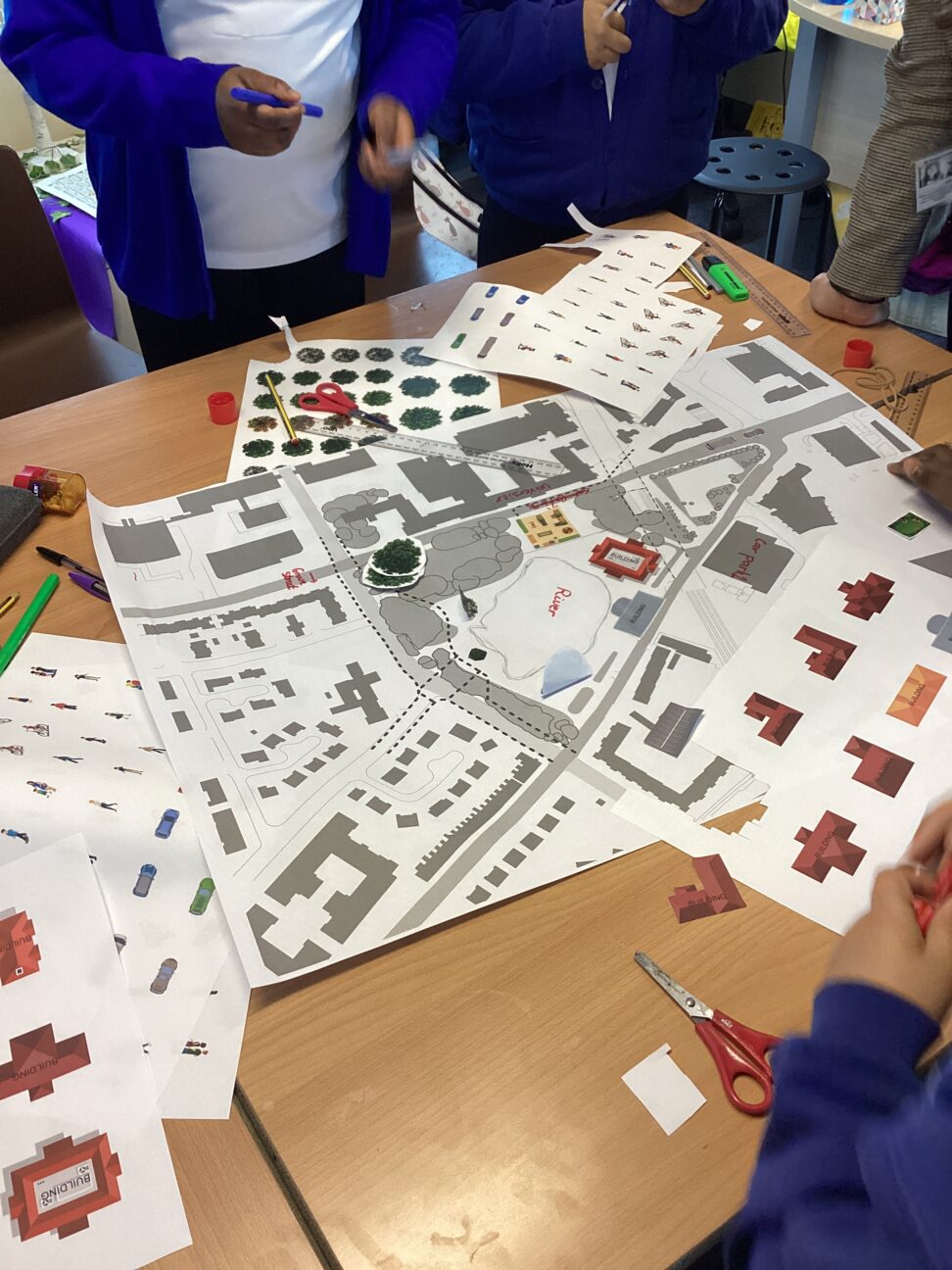
A litter pick was also organised by a local group. We joined, not with boards or presentations, but ready to listen. A week later, we took that same approach into a local primary school, running a creative workshop with Year 5 pupils. Their ideas reminding us that the masterplan is for them, as much as anyone else.

- Digital Engagement – get involved in a few clicks
“I have shared the link with my fellow trustees!”
From the outset, the consultation needed to feel easy and approachable for everyone, so we built a dedicated project website.
The website is a way for a 9-5 economy to explore the plans without being on-site. It helped over 2,600 visitors to understand how they can contribute to local discussions. For anyone not ready to submit a feedback form online, a dedicated email inbox provided a simple way to ask questions and share thoughts.
We promoted these assets by sending nearly 4,000 leaflets to residents and businesses and used social media and press to tap into the interests of our 9-5 economy.
Strong engagement, better outcomes
To best summarise our approach, consultation on the masterplan for Paddington South was developed by meeting people where they are. We identified local challenges and daily patterns to create ways for people to get involved from their doorstep, at work, on the bus or crossing campus.
By connecting stakeholders (including the local MP, ward councillors and cabinet members) with residents and our 9-5 economy, we have helped to facilitate interactions from thousands of individuals online and hundreds in-person. Nothing was limited to postcodes.
The diversity of our feedback is essential for any masterplan to successfully contribute to the growth of our cities.
Final thoughts
Once complete, Paddington Village will deliver genuine opportunities for residents, businesses and employees, commuters, students, visitors and service users.
If these communities are all going to benefit from Liverpool’s economic growth, they firstly have an important role to play in shaping how that takes place. City centres don’t solely thrive because people live there, they also thrive because people use them.
Liverpool, like many cities, thrives because of its diversity and ambition. The choices these groups make influence how they evolve. Let’s recognise this influence and turn it into ideas.
“Most of the time, we don’t need to have the same priorities. We benefit, individually and collectively, from simultaneously addressing multiple challenges.” – Beth Sanders.
Written by Mike Burgess, Senior Account Manager